
Updated blog on March 27, 2026
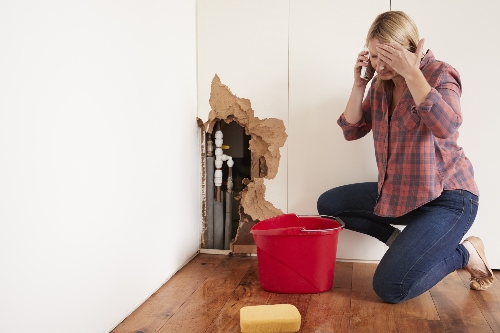
There's a moment in almost every bathroom remodel when a simple upgrade starts to feel a lot more complicated. What begins as a plan to swap out fixtures or freshen up the space can quickly turn into opening walls, moving pipes, and making decisions that affect how the whole room functions. That's why DIY bathroom remodeling often comes with a few surprises.
Before you tackle any bathroom plumbing DIY project, it helps to know which mistakes can lead to trouble later. Some of the most common plumbing code violations can cause leaks, sewer odors, slow drains, or failed inspections. If you're planning a remodel, here are five plumbing issues to avoid.
1. Improper Materials
One of the most common mistakes in bathroom plumbing DIY projects is using materials that aren't approved for the job. Just because something seems to fit or work for now doesn't mean it meets code or will hold up over time.
For example, rubber fittings, corrugated piping, and other quick-fix materials might seem convenient, but they can create bigger problems later. Corrugated pipes can trap debris and soap scum in their ridges, which raises the risk of clogs. Some flexible or makeshift fittings may also wear out faster than materials designed for permanent plumbing use.
When you're remodeling a bathroom, it's worth paying close attention to every pipe, fitting, and connector you install. The right materials help your plumbing system work properly and can save you from repairs after the walls are closed up.
2. Improper Sink Trap Installation
The sink trap under your bathroom sink might not seem like a big deal, but it plays an important role in your plumbing system. Installing the wrong type of trap is one of the more serious common plumbing code violations homeowners can make during a remodel.
A trap is designed to hold a small amount of water, which blocks sewer gases from coming back up through the drain and into your home. If that seal is lost, you could end up dealing with unpleasant odors and possible health concerns.
One mistake to avoid is using an S-trap. S-traps can siphon water out of the trap, breaking the seal and allowing sewer gases to pass through. In most cases, a properly vented P-trap is the better and code-compliant option.
Venting matters, too. Without proper venting, drains can start to gurgle, empty slowly, or back up more often. If your remodel includes replacing a vanity or moving a sink, make sure the trap and vent are installed the right way.
3. Poor Sizing for Drainage Piping
Drain pipes need to be sized correctly to work the way they should. If a pipe is too small for the fixture it serves, it may not be able to handle the flow of water. That can lead to slow drainage, clogs, and backups.
On the other hand, pipes that are too large can also create issues. While that's less common, oversized pipes can affect how efficiently wastewater moves through the system. Proper drainage depends on the right balance.
This is one of those details that often gets overlooked during DIY bathroom remodeling because a pipe may look like it fits well enough. But plumbing code isn't just about making parts connect. It's also about how well the system works once everything is in use.
If you're updating a sink, shower, tub, or toilet, make sure the drain pipe size matches the fixture and your local requirements. It's a small detail that can make a big difference.
4. Not Enough Room Around the Toilet
Bathroom remodels are often about making the most of the space you have, especially in smaller bathrooms. But trying to fit in a bigger vanity or squeeze a toilet into a tighter spot can create code issues.
There are minimum clearance requirements around a toilet, and those measurements matter more than many homeowners realize. The toilet needs enough room on each side and in front of it for the bathroom to be comfortable, functional, and up to code.
This issue often comes up when a toilet is placed in a nook or when nearby cabinets and vanities are installed too close. On paper, the layout may seem fine. Once everything's installed, though, the room can feel cramped and may not pass inspection.
Before you lock in your layout, take time to check your local space requirements. A bathroom should look good, but it also needs to work well in everyday use.
5. Improper Drainage Pipe Sloping
Drain pipes rely on gravity, so slope matters. If the slope is too flat, water and waste may move too slowly through the pipe, which can lead to clogs and standing water. If the slope is too steep, water can move too quickly and leave solids behind.
That's why improper drainage pipe sloping is one of the most common plumbing problems in bathroom remodels. It may seem like a minor detail during installation, but it can affect how the whole system performs.
In many cases, a slope of about 1/8 inch to 1/4 inch per foot is a common standard. Still, local requirements can vary, so it's smart to look up the rules in your area before you start.
During any bathroom plumbing DIY project, it's worth double-checking your measurements. A drain line that looks close enough can still create problems once the bathroom is back in use.
Know the Risks Before You Start a DIY Bathroom Remodel
A bathroom remodel can be exciting, but plumbing mistakes have a way of causing problems long after the project is finished. Using the wrong materials, installing the wrong sink trap, choosing the wrong drain pipe size, ignoring toilet clearance requirements, and getting the pipe slope wrong are all issues that can lead to bigger repairs later.
Knowing these common plumbing code violations can help you make smarter decisions during your remodel and avoid setbacks that cost time and money.
Start Your Connecticut DIY Bathroom Remodel With Holland Kitchens & Baths
If your project starts to feel bigger than expected, it may be time to bring in a professional. Holland Kitchens & Baths can help with bathroom remodeling, design, and installation, whether you need guidance on layout, fixtures, or a full renovation. When you're ready to create a bathroom that looks great and works the way it should, our team is ready to help.